Quick Summary
Touring preschools in NYC can feel exciting, emotional, and overwhelming all at once. Asking the right questions during your visit can help you better understand the school’s teaching style, safety practices, classroom environment, and communication approach. This guide covers ten important questions parents should ask while comparing preschool programs in New York City.
Choosing a preschool in New York City is a big decision for families. Beyond colorful classrooms and cheerful wall art, parents want to know their child will be happy, supported, and encouraged to grow in a positive environment. A preschool tour gives families the chance to look beyond the website and experience the atmosphere firsthand.
Many parents arrive at tours unsure of what to ask. Some focus only on academics, while others forget to ask about routines, communication, or classroom transitions. Preparing thoughtful preschool tour questions ahead of time can help you leave each visit with a much clearer understanding of the school.
In a city as large and diverse as NYC, every preschool offers something different. Some programs focus heavily on structured learning, while others center around play-based exploration and social development. Asking detailed questions helps families find a school that feels like the right fit for both the child and the parents.
1. What Does a Typical Day Look Like?
One of the first things parents should ask during a preschool tour is how the school day is structured. Daily schedules reveal a lot about the school’s philosophy and classroom environment.
Some preschools follow a highly organized routine with designated academic periods, while others allow more flexibility for creative play and child-led activities. Neither approach is automatically better. What matters most is how the routine supports your child’s personality and developmental stage.
As teachers explain the schedule, listen for details about circle time, outdoor play, meals, movement activities, story time, rest periods, and social interaction. A balanced routine often helps children feel comfortable and engaged throughout the day.
You should also ask how transitions between activities are handled. Young children usually do better when routines feel predictable and calm.
2. How Does the School Handle Separation Anxiety?
For many children, preschool is their first experience spending extended time away from parents. Some children adjust quickly, while others need more reassurance during the transition.
A good preschool understands that separation anxiety is normal and approaches it with patience and warmth. During your tour, ask how teachers support children during the first few weeks of school.
You may want to learn:
- How drop-offs are handled
- How teachers comfort upset children
- How long adjustment periods usually last
- How parents are updated during the transition
Schools experienced in NYC early childhood education usually have gentle strategies for helping children build trust and confidence in the classroom environment.
3. What Is the Teacher-to-Student Ratio?
Class size can strongly shape a child’s preschool experience. Smaller ratios often allow teachers to spend more individual time with students and respond more quickly to emotional or developmental needs.
During your visit, ask how many children are assigned to each classroom and how many teachers or assistants are present throughout the day.
A classroom may look calm during a scheduled tour, but understanding the full ratio gives parents a clearer picture of the learning environment once classes are in full session.
Teacher consistency also matters. Children often form strong attachments to caregivers, so it helps to ask about staff turnover and how long teachers typically stay with the program.
4. How Does the School Communicate with Parents?
Strong parent communication can make preschool feel far less stressful, especially during the early months. Some schools provide daily updates, while others communicate through apps, newsletters, emails, or parent-teacher conferences.
As you tour the school, ask how families stay informed about classroom activities, behavioral concerns, milestones, and upcoming events.
You should also ask how teachers handle questions from parents. Open and respectful communication helps create stronger trust between families and educators.
Many parents appreciate schools that share photos, classroom highlights, or small observations throughout the week because it offers a glimpse into the child’s daily experience.
5. What Safety Procedures Are in Place?
Safety is often one of the biggest concerns parents have when choosing a preschool in NYC. Touring the building allows you to observe physical safety features, but asking direct questions provides much deeper insight.
Schools should be able to clearly explain visitor policies, pick-up procedures, emergency protocols, and staff training.
Some helpful areas to ask about include:
- Building security systems
- Authorized pick-up procedures
- Emergency drills
- Staff background checks
- CPR and first-aid training
You should also observe how secure the entrances feel during your visit and how staff members monitor movement throughout the building.
6. How Does the School Approach Learning and Play?
Every preschool approaches early childhood learning differently. Some focus heavily on kindergarten preparation and structured academics, while others emphasize social growth, creativity, and play-based exploration.
Asking about the school’s educational philosophy helps parents understand what daily learning looks like in practice.
Look for programs that encourage curiosity, communication, hands-on discovery, and age-appropriate skill development. Young children often learn best through active participation rather than long periods of formal instruction.
You may also want to ask how the school introduces early literacy, numbers, sensory activities, music, art, and movement into the daily routine.
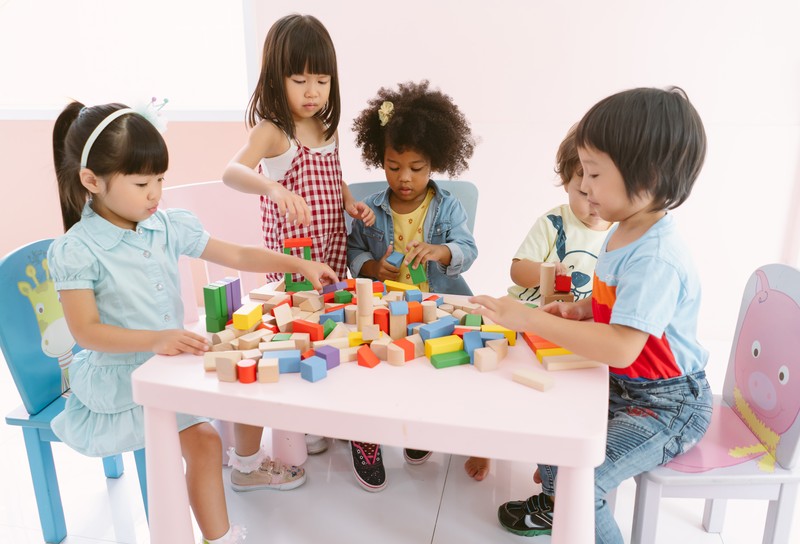
The classroom environment itself can also reveal a lot. Spaces designed for exploration, creativity, and collaborative play often support stronger engagement among preschool-age children.
7. How Are Behavioral Challenges Handled?
Every preschool classroom experiences occasional behavioral challenges. Young children are still learning how to communicate emotions, share space, and manage frustration.
A preschool’s response to those situations can tell parents a great deal about the overall classroom culture.
Ask teachers how they guide children through conflicts, emotional moments, or difficult behaviors. Positive reinforcement, redirection, and calm communication are often signs of a supportive learning environment.
You should also ask how parents are informed if concerns arise. Schools that approach behavioral development as a partnership with families often create stronger long-term relationships with parents.
8. What Opportunities Exist for Social and Creative Development?
Preschool is about far more than letters and numbers. It is also a time when children begin building friendships, confidence, independence, and communication skills.
During your tour, ask how children are encouraged to interact socially throughout the day. Group activities, imaginative play, music, movement, and collaborative projects all help children develop emotional and interpersonal skills.
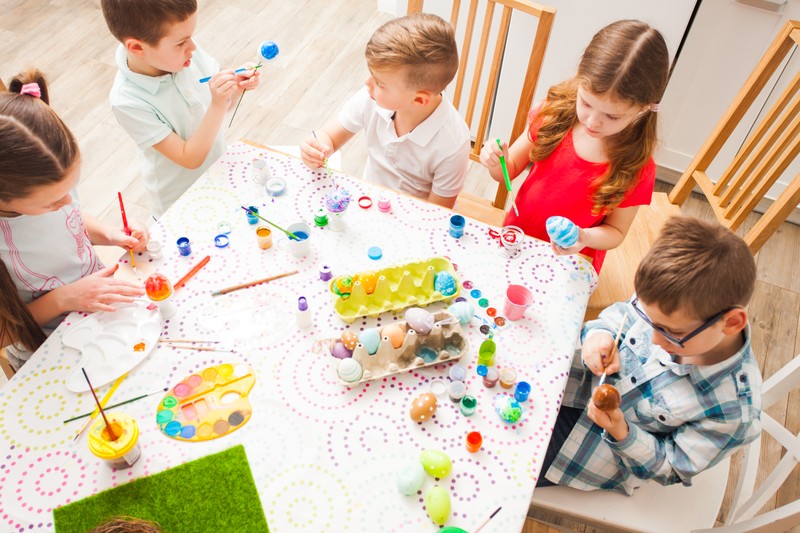
Creative activities also play an important role in early learning. Art projects, sensory exploration, dramatic play, and outdoor experiences help children express themselves while developing problem-solving abilities and confidence.
You may notice that the strongest preschool environments balance structured learning with opportunities for creativity and free exploration.
9. How Are Meals, Snacks, and Allergies Managed?
Food routines are a major part of a child’s preschool day, especially for full-day programs. Parents should ask how meals and snacks are handled, what accommodations are available, and how allergies are managed in the classroom.
Some of the best preschools in NYC provide meals on-site, while others ask families to pack lunches from home. Understanding the routine ahead of time can help parents prepare more comfortably for the transition.
You may also want to ask how teachers encourage healthy eating habits and supervise meal times. Shared meals often become important moments for conversation, independence, and social interaction among young children.
10. What Makes This Preschool Different?
Toward the end of your tour, ask the school what they believe sets their program apart. This open-ended question often leads to the most honest and revealing answers.
Some schools may highlight their nurturing classroom culture, while others focus on enrichment activities, outdoor play areas, language programs, or long-standing community relationships.
Listen carefully to how administrators and teachers describe their school. Passion, warmth, and genuine enthusiasm often speak louder than polished marketing language.
At the same time, trust your instincts. Parents often leave tours with a strong emotional impression of the environment. Sometimes the right preschool simply feels welcoming, calm, and joyful in a way that stands out immediately.
FAQs
How many preschools should I tour before making a decision?
Many families tour three to five schools before choosing a program. Visiting multiple schools makes it easier to compare teaching styles, classroom environments, and overall atmosphere.
Should I bring my child on the preschool tour?
Some schools encourage children to attend tours, while others prefer parent-only visits. Bringing your child can help you observe how they react to the environment and staff.
What should I look for during a preschool classroom visit?
Pay attention to teacher interactions, classroom cleanliness, safety practices, student engagement, and how comfortable the children appear throughout the space.
Tour ABC Preschool & Kindergarten Center in Woodside, Queens
Finding the right preschool becomes much easier when you can picture your child truly thriving in the environment. At ABC Preschool & Kindergarten Center, families can explore bright classrooms filled with hands-on learning materials, visit our colorful Tiny Tumblers Gym, and see our 7,000 sq. ft. Magic Wonderland Playground designed for active outdoor play and discovery.
Our programs for toddlers, 3-K, and Pre-K blend creative learning, music, movement, sensory exploration, and early literacy in a warm, welcoming setting. Parents also appreciate our secure fenced campus, NYC-connected alarm system, experienced state-certified staff, and freshly prepared meals from our Little Gourmet Kitchen run by a licensed chef.
Schedule a tour today and experience firsthand what makes our preschool community so special.