Choosing the right early education program is one of the most meaningful decisions you can make for your child. With so many types of preschool curriculum available, it helps to understand how each approach supports learning, creativity, and confidence. Each model offers something unique, and finding the one that suits your child’s personality and pace will help create a positive start to their educational journey.
Montessori Curriculum
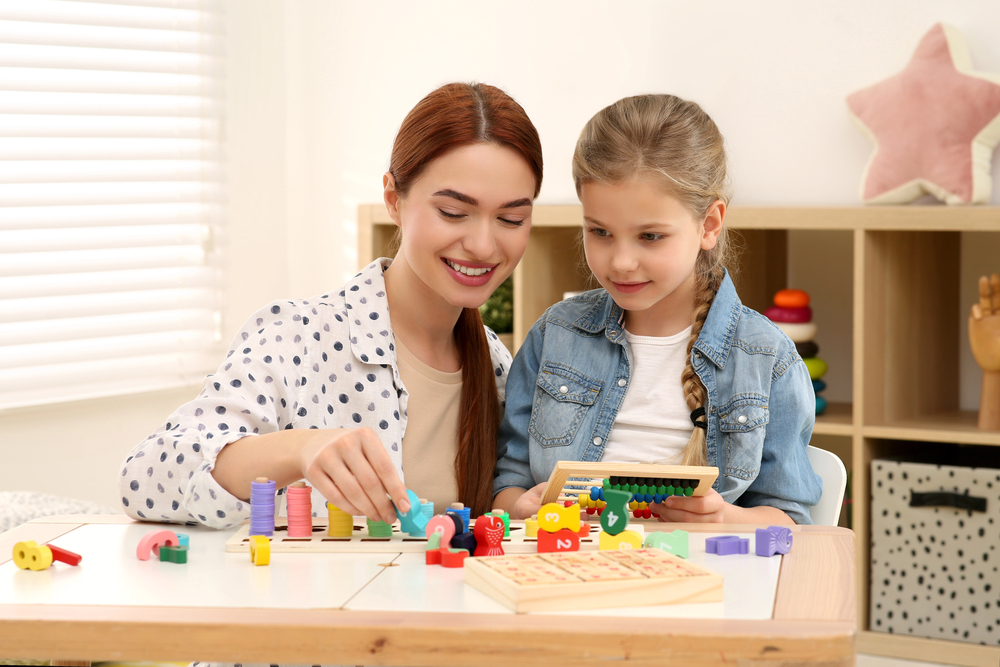
The Montessori curriculum is built around the idea that children learn best when they are free to explore their environment at their own pace. Instead of a traditional teacher-led classroom, Montessori education uses a prepared environment filled with purposeful materials designed to promote independence, focus, and curiosity.
Children choose activities that interest them, working with hands-on tools that teach skills such as sorting, counting, and language development. Teachers serve as gentle guides, observing each child and introducing new concepts when the child is ready. This approach helps children develop responsibility and a sense of ownership over their learning. Social interaction happens naturally as children work alongside one another, learning cooperation and respect.
The calm and structured classroom encourages self-discipline and problem-solving, giving children confidence in their abilities. Montessori learning values individuality and respects each child’s unique growth pattern. Families who value both freedom and structure often find this method supports academic and emotional growth while nurturing a lifelong love of learning.
Reggio Emilia Approach
The Reggio Emilia approach views children as capable, curious, and full of potential. Learning is project-based, meaning children explore topics that capture their interest through discussion, art, and hands-on discovery. Teachers act as partners in learning rather than traditional instructors, helping children express their ideas and record their thoughts through drawings, photos, and storytelling.
Classrooms are thoughtfully arranged to encourage movement, creativity, and communication. Natural light, plants, and open materials invite exploration and collaboration. Parents are considered an important part of the learning process and are often included in projects and classroom reflections. Teachers document each child’s progress to track development and share insights with families.
Waldorf Education
Waldorf education centers on nurturing a child’s imagination, creativity, and sense of wonder. Each day follows a steady rhythm that includes storytelling, music, art, movement, and time outdoors. Lessons are taught through creative experiences rather than through textbooks or screens.
Children engage in painting, gardening, baking, and dramatic play to build practical skills and emotional awareness. The environment is calm and filled with natural materials like wood, wool, and soft colors to promote comfort and focus. Technology is used sparingly so children can develop attention and curiosity through sensory experiences. Teachers often stay with the same group of children for several years, forming strong bonds and a sense of community.
Waldorf classrooms value cooperation and empathy as much as academics, helping children build confidence and social understanding. Families who prefer a slower-paced, nature-oriented, and artistic education often connect deeply with this philosophy. It supports well-rounded growth and helps children develop a love of beauty, learning, and the world around them.
HighScope Curriculum
The HighScope curriculum is based on the idea that children learn best through active participation and purposeful play. Each day follows a consistent routine that includes planning time, work time, and review time. During the planning phase, children decide what activities they want to explore, which helps them develop decision-making and organizational skills.
As they work, teachers interact with them at their level, asking open-ended questions to extend thinking and understanding. Afterward, children reflect on what they did, building communication and memory skills. Teachers carefully observe and record each child’s progress, adjusting activities to meet individual needs and interests. The classroom environment is designed for exploration, with clearly defined areas for art, science, blocks, and dramatic play. This balance of structure and freedom helps children feel confident, capable, and motivated.
Bank Street Approach
The Bank Street approach emphasizes learning through experience, interaction, and discovery. Rooted in developmental theory, it views education as a way for children to understand the world around them through active exploration. Teachers create a classroom rich in materials such as blocks, art supplies, and science tools, encouraging children to touch, question, and build.
Learning happens through projects and plays that connect directly to real-life experiences. For example, children may study their neighborhood, visit local shops, or explore community helpers to connect lessons with their daily lives. Social interaction is central, as children learn cooperation, empathy, and communication while working together.
Teachers guide discussions that help children express feelings and think critically about what they see and do. This approach values both emotional and intellectual growth, helping children develop confidence and curiosity. Families who seek a child-centered, hands-on, and socially aware education often find the Bank Street philosophy aligns with their values and supports well-rounded, engaged learners.
Creative Curriculum
The Creative Curriculum blends structure and flexibility, combining teacher-led lessons with opportunities for independent exploration. It is built around interest areas such as art, science, dramatic play, literacy, and math, allowing children to move between activities while gaining new skills through experience.
Teachers plan lessons that align with developmental goals but also follow the children’s natural curiosity. The approach values creativity, play, and problem-solving, using themes that connect subjects together in meaningful ways. For example, a study of animals might include counting, reading stories, drawing, and pretend play. Teachers observe progress carefully and adapt activities to support each child’s learning pace.
Play-Based Learning
Play-based learning embraces the idea that play is one of the most natural and effective ways for young children to understand the world. Through imaginative games, building activities, pretend play, and outdoor exploration, children develop essential social, emotional, and cognitive skills.
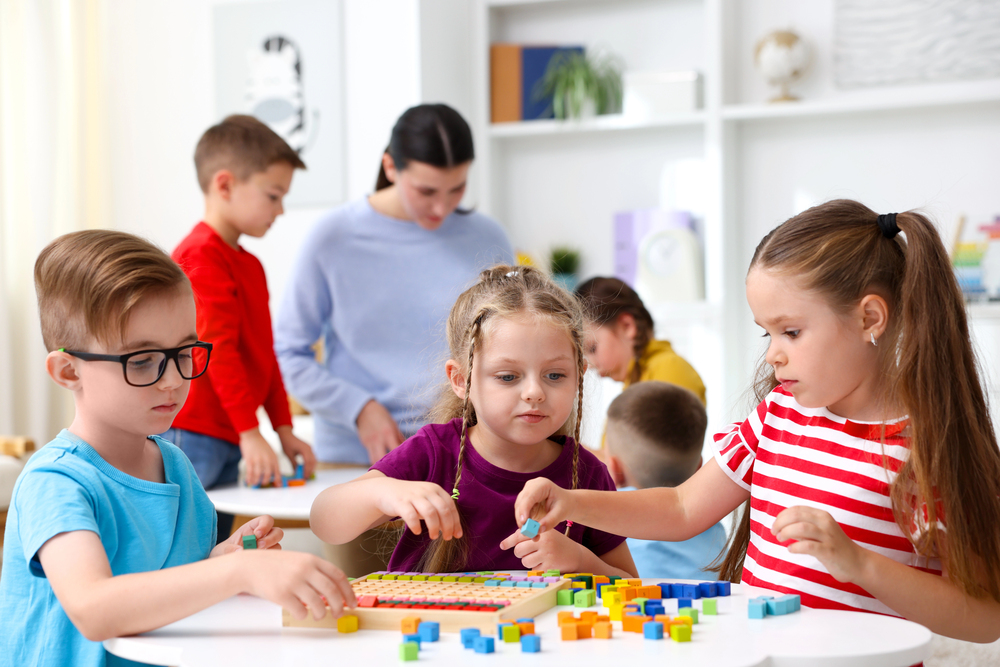
They learn how to share, take turns, solve problems, and express ideas. Teachers act as observers and partners in play, using children’s interests as a starting point for deeper learning experiences. For example, a simple block tower can lead to discussions about balance, shapes, and measurement. This approach supports curiosity and encourages creativity while allowing children to explore at their own pace. Classrooms are arranged with open-ended materials such as blocks, art supplies, and sensory tables that invite discovery and experimentation.
Academic or Structured Curriculum
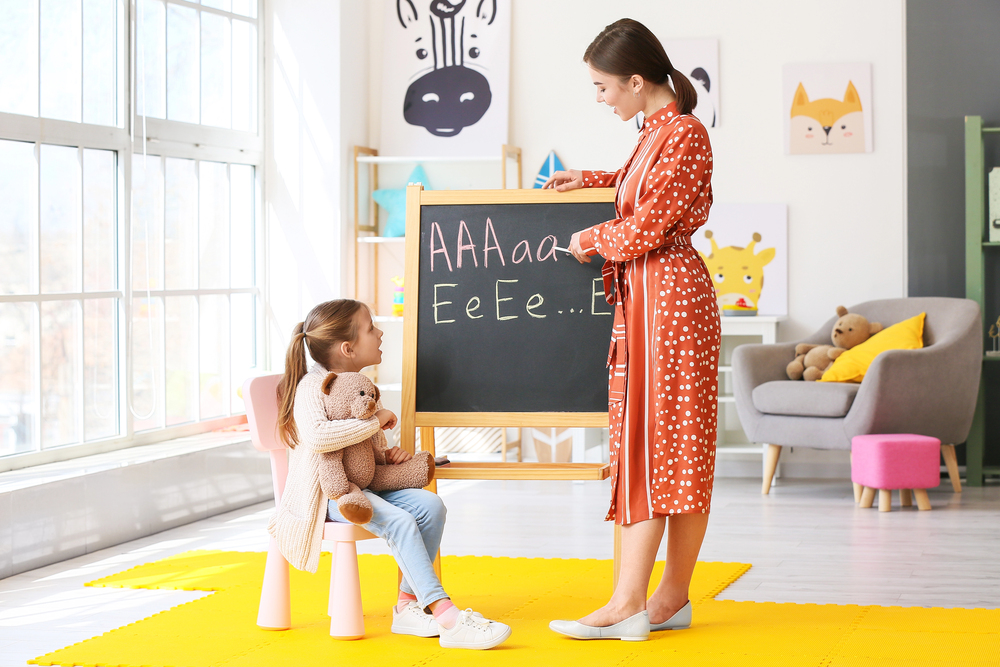
An academic or structured curriculum focuses on introducing early reading, writing, and math skills in an organized and systematic way. Teachers use lesson plans that follow specific goals, helping children master foundational skills step by step. Activities may include tracing letters, identifying numbers, recognizing patterns, and practicing vocabulary.
Classrooms are arranged for focused learning, with clear routines and materials that support literacy and numeracy development. Progress is monitored regularly so that teachers can provide extra support where needed. This approach is especially helpful for children who thrive on consistency and routine. While the focus is on academic readiness, children also practice listening, following directions, and working independently.
Lessons are often balanced with group activities to develop cooperation and confidence. A structured curriculum provides a solid base for kindergarten and beyond, giving children the tools they need to succeed in formal education. Families who prefer a predictable environment and measurable progress often find this approach reassuring and effective.
Finding the Right Fit
When choosing a preschool, consider your child’s learning style, interests, and comfort level. Visit schools, observe classrooms, and talk with teachers about how they approach learning. The right environment will feel welcoming, engaging, and suited to your child’s natural way of exploring the world.
At ABC Preschool, we bring together the best qualities of several early learning philosophies. Our caring teachers, DOE-approved curriculum, in-house kitchen, and spacious private playground create a safe and enriching setting where your child can grow, learn, and thrive.