Many parents wonder when the right time is to introduce their child to preschool. The preschool age is not defined by a single number but by a mix of developmental readiness, curiosity, and emotional growth. Starting too early may cause anxiety, while starting too late can delay social and cognitive development.
Understanding what signs show your child is ready helps make this important decision smoother and more rewarding.
Understanding Early Childhood Development
Each child grows at a unique pace. Emotional maturity, social interest, and communication skills often guide the decision more than age alone. Around two to three years old, children begin to express independence and curiosity. They start forming short sentences, recognizing shapes, and understanding simple routines. These are early signs that structured learning through play could benefit them.
Preschool builds on this stage by introducing cooperative activities and helping children adapt to new social settings. The environment fosters sharing, teamwork, and problem-solving: skills that shape a child’s early learning foundation. For many, ages two to five are ideal for nurturing these abilities through a supportive preschool environment.
Why Preschool Age Matters
The preschool years bridge the gap between home learning and formal education. During this time, a child’s brain develops rapidly. Experiences, interactions, and hands-on exploration play a major role in shaping cognitive growth. A well-timed start at preschool encourages curiosity, builds confidence, and strengthens communication.
When children start preschool at the right age, they gain consistency in routines and develop emotional control. They also build early literacy and math skills that prepare them for kindergarten.
Starting too late can make it harder for children to adjust to group settings, follow instructions, or stay focused during longer learning sessions.
The Benefits of Early Social Interaction
Preschool is more than academics. It introduces children to group play, communication, and empathy. Around age three, children start showing genuine interest in peers. They begin to collaborate, negotiate, and express feelings clearly. This is a strong indicator that they are ready for a structured preschool environment.
In classrooms, social learning often happens through play. Children learn patience while waiting for turns, teamwork through group projects, and empathy by understanding others’ emotions. Early interaction supports emotional intelligence, which is a skill linked to lifelong success in relationships and learning.
Balancing Readiness and Independence
Parents sometimes question if their child is ready to separate from home. Independence is not just about saying goodbye at the door; it involves following directions, managing emotions, and exploring new experiences with curiosity. Most children show readiness between ages two and a half and four.
These signs of readiness may include: expressing curiosity about their peers, taking an interest in books and stories, using words to communicate basic needs, and following short routines or simple instructions. If your child demonstrates these abilities, it may be time to explore a toddler preschool program in Woodside, NY that emphasizes nurturing and guided independence.
How Early Learning Programs Shape Growth
High-quality preschool programs focus on play-based learning and exploration. This approach encourages creativity while introducing academic foundations in a natural way. Structured routines help children understand time management and develop self-control. Interactive lessons promote focus and resilience, skills essential for future school years.
For three-year-olds, programs like the 3-K for All program for children blend social learning with discovery. Children participate in guided play, music, art, and storytelling to strengthen early literacy and communication. The classroom becomes a space where curiosity meets confidence.
For children closer to four or five, the pre-k for all program for children (ages 4-5) in Woodside, NY focuses on kindergarten readiness. It builds stronger academic and problem-solving skills through interactive lessons, preparing children for more structured learning environments.
The Role of Physical and Creative Play
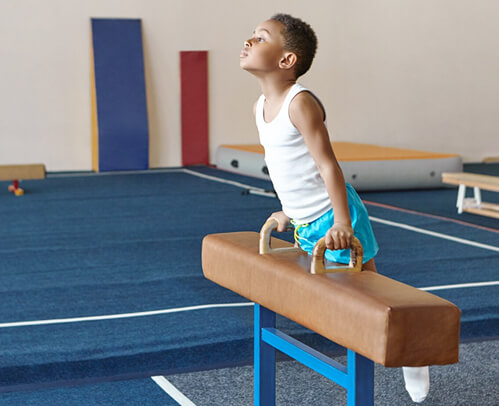
Preschool readiness also includes physical development. At ages two to five, children refine balance, coordination, and motor skills. Activities like climbing, drawing, and dancing are not just fun, they also strengthen muscles and stimulate brain development.
Schools with well-equipped play areas, gymnastics spaces, and creative stages allow children to explore physical learning in safe ways. These experiences teach confidence, resilience, and teamwork. Physical play also supports emotional regulation, helping children handle excitement, frustration, and new challenges more calmly.
Creating Comfort Through Routine
Consistency helps young children feel secure. Regular schedules, familiar faces, and predictable transitions support emotional comfort. Many children adapt quickly once they experience daily routines such as group play, snack time, and story sessions.
Preschool routines teach time awareness and personal responsibility. Children learn to tidy up, wash hands before meals, and transition smoothly from one activity to another. This structured yet flexible environment builds confidence and sets the stage for lifelong discipline and focus.
Recognizing Every Child’s Unique Timeline
No two children are alike. Some are eager to join group play by age two, while others need more time to adjust. Parents should observe how their child interacts, listens, and handles short separations. Patience and observation are key.
Starting preschool at the right time often leads to enthusiasm for learning. A child who feels ready participates actively, makes friends, and adapts better to classroom life.
If a child struggles initially, gentle transitions, such as shorter days or part-time attendance, can ease the adjustment.
How Parents Can Support the Transition
Parents play a central role in shaping how smoothly a child enters preschool. Talking about school positively helps create excitement. Visiting the classroom beforehand allows children to familiarize themselves with new surroundings. Reading books about school experiences also builds comfort and curiosity.
Encouraging self-help skills at home like putting on shoes, tidying toys, or asking for help gives children confidence. When parents show trust and enthusiasm about school, children mirror those emotions. Starting preschool becomes an exciting step toward independence rather than a source of stress.
Give Your Child the Best Start at ABC Preschool
Here at ABC Preschool, we understand that choosing the right preschool age is a personal decision guided by love and observation. Our programs are designed to meet each child where they are: fostering curiosity, creativity, and confidence. With caring teachers, a vibrant play-based curriculum, and spaces designed for exploration, we help children transition smoothly into their learning journey.
Visit us today to discover how your child can begin their path to lifelong growth and joy at ABC Preschool.