When exploring early education options for your child, you may wonder what separates TK vs. Pre-K and which program best fits your child’s needs. Both settings help young learners prepare for kindergarten, yet they focus on slightly different stages of development.
Transitional Kindergarten (TK) serves as a bridge between preschool and kindergarten, while Pre-K emphasizes early foundational learning for slightly younger children. Understanding the differences between these two programs helps you make an informed decision about what will support your child’s confidence, curiosity, and growth as they begin their educational journey.
What Is Transitional Kindergarten (TK)?
Transitional Kindergarten offers a thoughtful bridge between preschool and kindergarten, designed for children who are ready for more advanced learning but still growing in confidence and independence. Typically serving four- and young five-year-olds, TK combines academic readiness with hands-on exploration to help children adjust to a school-like environment.
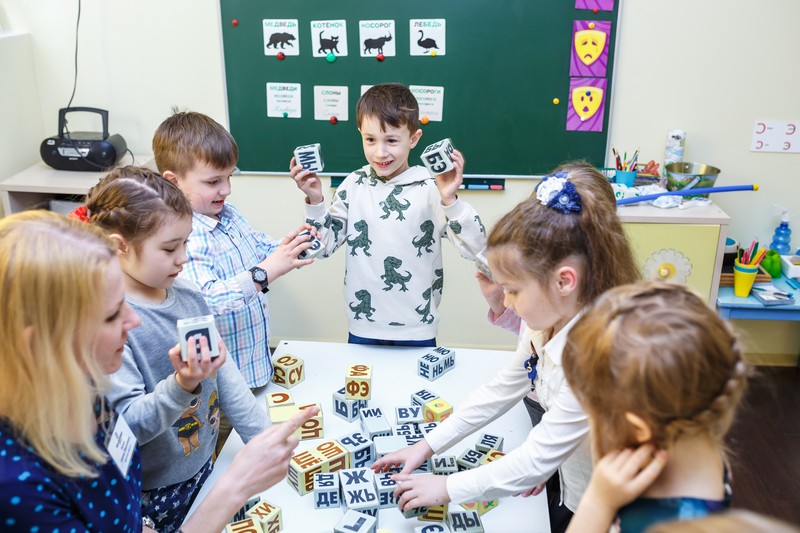
The program introduces early literacy, math, and problem-solving through interactive lessons that keep learning enjoyable. Teachers blend structured instruction with creative play, allowing children to explore ideas while developing focus and cooperation. Activities such as group discussions, art projects, and storytelling promote both academic and social skills. TK teachers often hold elementary-level credentials, bringing knowledge of child development and early education into the classroom.
The environment is nurturing yet organized, helping children build the stamina and understanding needed for kindergarten routines. TK allows young learners to grow at a comfortable pace, giving them extra time to strengthen skills, adapt to structure, and build confidence in their abilities before taking the next step in their educational journey.
What Is Pre-K?
Pre-K, or pre-kindergarten, focuses on early exploration, creativity, and the development of foundational learning skills. Designed for three- and four-year-olds, it gives children an engaging and supportive introduction to school life. Pre-K classrooms emphasize play-based learning that nurtures curiosity and imagination while introducing early concepts in literacy, numbers, and problem-solving.
Children learn through activities such as music, storytelling, building, and art, which promote communication and cooperation. Teachers guide exploration with gentle structure, encouraging children to express themselves, take turns, and work together. The focus is on developing independence, self-regulation, and confidence rather than formal academics.
Pre-K settings are filled with opportunities for sensory play and discovery, helping children understand the world through touch, movement, and imagination. This approach builds a strong foundation for future learning by combining fun with developmental growth.
Age and Enrollment Differences
Age and readiness are the main factors that distinguish TK from Pre-K. TK generally serves children who turn five close to the kindergarten cutoff date, providing an extra year to build confidence before starting elementary school. Pre-K typically welcomes three- and four-year-olds who are still developing early social, emotional, and cognitive skills. Because of this age difference, the structure of each program varies.
TK classrooms often resemble kindergarten environments, with more formal routines and lessons focused on reading readiness, number recognition, and independence. Pre-K, on the other hand, remains centered on discovery and imaginative play that encourages social growth and creativity. Enrollment requirements may vary depending on location and program guidelines, but most families make their choice based on their child’s maturity and comfort with structure.
TK offers more preparation for kindergarten, while Pre-K lays the groundwork for future academic and emotional development. Both settings nurture curiosity and confidence, helping children grow into eager and capable learners.
Curriculum and Learning Focus
Both TK and Pre-K programs share a foundation of play-based learning, but their goals and structure differ according to the child’s stage of development. Pre-K focuses on exploration through stories, music, art, and sensory play, helping children make sense of the world around them.
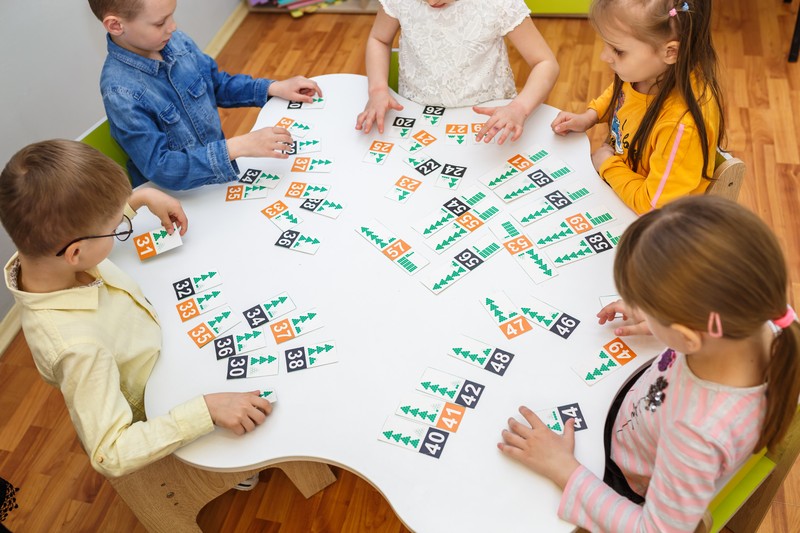
The emphasis is on curiosity and creativity, with teachers encouraging children to ask questions, express ideas, and explore new concepts through imagination. TK builds on these early skills by introducing more structured lessons that prepare children for kindergarten. Activities may include recognizing letters and sounds, counting, simple writing, and group discussions that strengthen comprehension and communication.
TK also promotes critical thinking through problem-solving games and collaborative projects that build teamwork and independence. Both programs encourage focus and self-confidence while supporting a child’s natural love of learning.
Social and Emotional Development
Social and emotional development forms the heart of both TK and Pre-K, shaping how children connect with others and manage their emotions. In Pre-K, children begin learning important social skills such as sharing, listening, and cooperating during playtime. Teachers model empathy and help children express feelings in healthy ways.
Group activities allow children to practice patience and understand how their actions affect others. TK continues to develop these skills within a slightly more structured environment. Students work together on projects, follow group routines, and learn to take responsibility for their actions.
They begin to understand teamwork, respect, and problem-solving through real-life interactions. Both programs help children gain confidence in group settings and learn how to communicate their needs respectfully.
Teacher Qualifications and Classroom Structure
Teacher training and classroom structure often differ between TK and Pre-K. TK teachers are usually credentialed in elementary education, while Pre-K teachers typically specialize in early childhood education. This difference influences how lessons are presented and how classrooms are organized. Pre-K classrooms emphasize play and discovery, with centers for art, reading, and building.
TK classrooms resemble kindergarten more closely, with structured schedules and a mix of guided instruction and free play. Both environments are warm and supportive, focusing on helping children grow in confidence and curiosity while learning at their own pace.
Choosing the Right Program for Your Child
Selecting between TK and Pre-K depends on your child’s personality, age, and developmental stage. If your child is ready for a more structured environment and closer to kindergarten age, TK may be the best fit. For younger children who are still developing early social and emotional skills, Pre-K offers a nurturing introduction to learning through play.
Observing how your child responds to new environments and activities can help you make the best decision. Both programs encourage exploration, independence, and curiosity, setting the stage for a lifetime of learning.
Give your child the perfect start with nurturing programs tailored to their age and growth. Our experienced teachers and engaging classrooms inspire confidence, joy, and a lifelong love of learning. Enroll at ABC Preschool today to see your child thrive.