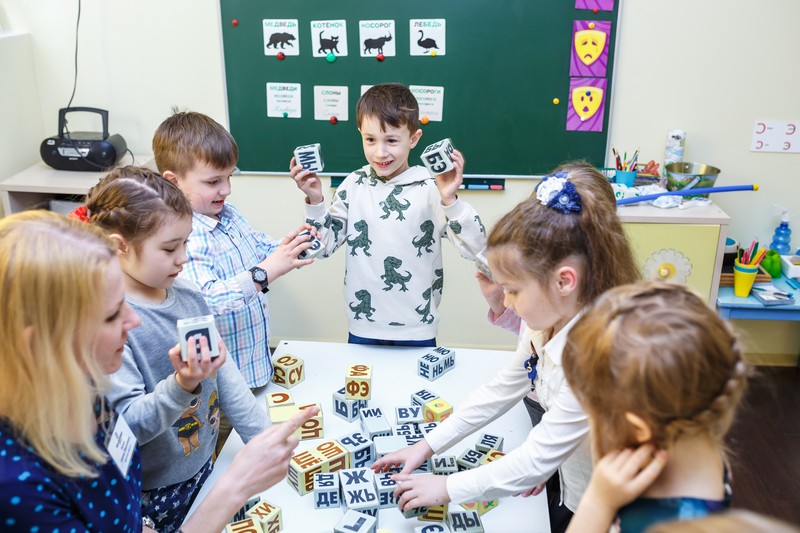
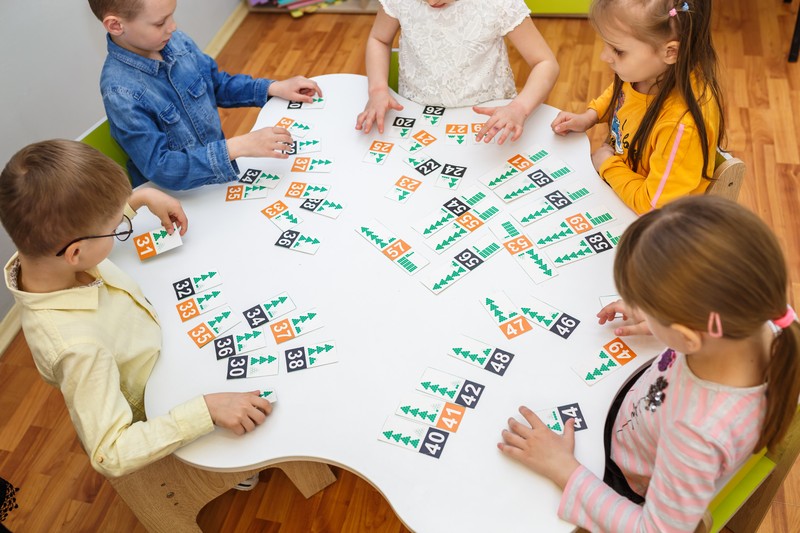
At our school, we see these benefits unfold daily. From the earliest days in our toddler preschool program in Woodside, NY, children start on a path of social growth that supports every part of their development.
Building a Strong Foundation for School Readiness
Social skills are a hidden part of being ready for kindergarten. A child who can take turns, listen to a teacher, and follow simple instructions is set up to learn more easily. Classrooms run smoothly when children know how to work in a group. This means less time managing behavior and more time for learning letters and numbers.
When a child feels confident with peers, they are more likely to raise their hand, ask questions, and join in activities. This comfort in a group setting is a key benefit that makes the transition to formal schooling much easier for everyone.
Boosting Confidence and Self-Esteem
Mastering social interactions gives a child a wonderful sense of “I can do it.” When a child successfully asks to join a game, shares a toy, or comforts a friend, they feel capable. This positive feeling builds their self-esteem. They start to see themselves as a good friend and a valued member of their class.
This growing confidence encourages them to try new things, both socially and academically. In our warm and family-like environment at ABC Preschool, teachers celebrate these small victories, helping each child see their own social strengths.
Improving Communication and Language Abilities
Social play is one of the best language teachers. To play with others, children must express their ideas, needs, and feelings. They learn new words from teachers and friends. They practice speaking in full sentences and listening to understand. Negotiating roles in pretend play or explaining the rules of a game requires clear communication.
This constant, natural practice is a major benefit of social skills in early childhood. It expands vocabulary and improves conversational skills in a way that feels like fun, not work. This growth is clear in our programs, where conversation is a part of every activity.
Learning Emotional Regulation and Empathy
Early childhood is filled with big feelings. Learning to manage these feelings with others is a vital social skill. Children learn to recognize when they are getting frustrated and use words instead of actions. They also begin to notice and understand the emotions of their peers, which is the root of empathy.
A child might see a friend crying and bring them a teddy bear. These moments teach kindness and emotional awareness. When children are guided through these feelings in a supportive setting, they develop better control and compassion. This emotional learning is central to our nurturing approach.
Fostering Better Problem-Solving and Teamwork
Children who play together must solve problems together. They figure out how to build a tall block tower without it falling, or decide who gets to be the teacher in pretend school. These moments teach critical thinking, negotiation, and compromise. They learn that two heads are better than one.
This ability to collaborate is a key benefit that helps children in group projects now and in future school and work settings. Our classroom activities and play in spaces like our private backyard are designed to give children many chances to solve problems as a team.
Creating a Sense of Belonging and Community
Perhaps one of the most beautiful benefits is the sense of belonging it creates. When a child has friends and positive relationships at school, they feel safe, accepted, and happy to be there. This sense of community reduces anxiety and makes learning a joyful experience. Children look forward to seeing their friends and teachers.
This positive connection to school sets a lifelong pattern of engaging with their community. We see this every day in our classrooms, where children learn they are an important part of a group. This community focus is woven into all we do, from our healthy family style meals to our group activities in the gym.
How Unique Environments Support Social Growth
Specific spaces in a preschool can be powerful tools for social learning. For example, our preschool-safe gymnastics gym offers a special setting for building these skills. Here, children learn to wait for their turn on the soft mats, cheer for their classmates, and follow movement instructions as a group. They build trust and awareness of others’ space.
Similarly, our in-house kitchen and chef-prepared meals create a shared social ritual. Sitting down together for a nutritious meal encourages conversation, turn-taking in passing dishes, and a feeling of family. These unique features at ABC Preschool offer diverse and engaging ways for children to practice cooperation, communication, and care for one another.
The journey of developing social skills is full of small, important moments that add up to a big impact. The benefits of social skills in early childhood shape a child’s approach to learning, friendship, and challenges. A preschool environment is uniquely suited to nurture these skills through daily, guided practice with peers. Our dedicated teachers and thoughtfully designed programs, like our 3-K for All program for children (ages 4-5) in Woodside, NY, create the perfect setting for this growth.
These early years are a special time to build a strong social foundation. If you are considering a preschool that values this kind of whole child development, we invite you to learn more about our approach. Our Pre-K for All program for children (ages 4-5) in Woodside, NY emphasizes these social and emotional skills as children prepare for their next steps.
We at ABC Preschool would love to show you how we can be a partner in your child’s early growth. Please contact us to schedule a time to visit and feel the warmth of our preschool community for yourself.