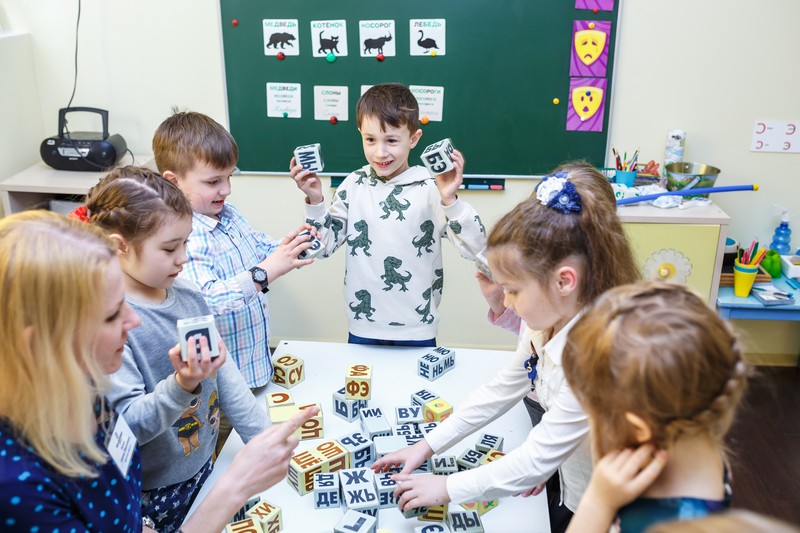
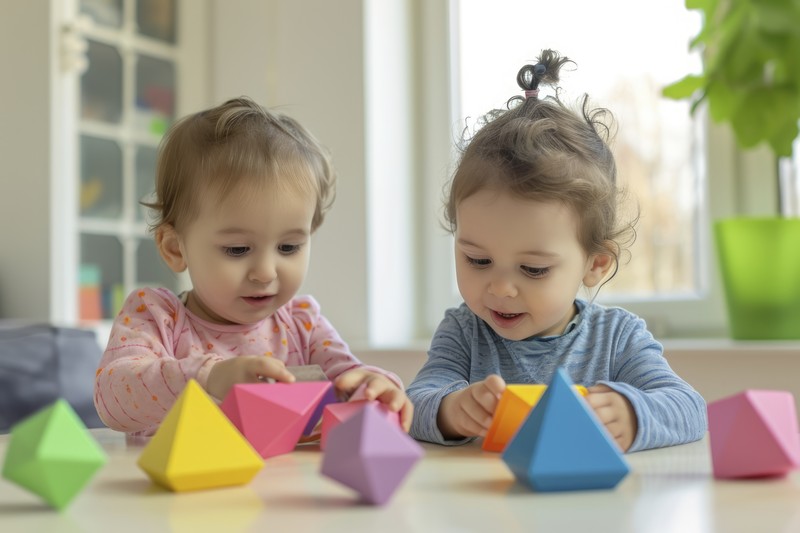
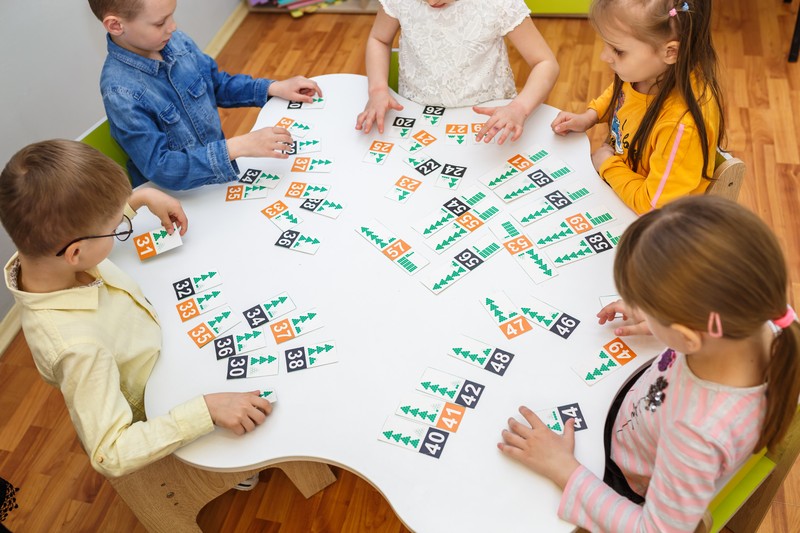
Parents raising energetic children often look for environments that support both learning and movement. A STEM-based preschool offers exactly that balance. Instead of focusing on memorization or worksheets, these programs introduce science, technology, engineering, and mathematics through exploration, hands-on activities, and physical engagement.
For families who value structured athletic development, especially those considering Lana’s gymnastics programs, this approach to early education often aligns with how young athletes naturally learn. Children experiment, test ideas, move their bodies, and build confidence through repeated effort. These experiences develop thinking skills while strengthening coordination, balance, and awareness of movement.
For active children, learning that involves motion and experimentation often creates the strongest foundation for both academic and athletic growth.
Understanding How STEM Learning Works in Early Childhood
In early education, STEM does not look like formal science or advanced mathematics. Instead, it appears through everyday exploration. Children observe insects in a garden, test whether objects sink or float, or experiment with building towers that can support weight.
The core idea is inquiry-based learning. Children ask questions, investigate their surroundings, and explore different solutions. Teachers guide the process but allow room for curiosity and independent thinking.
Young learners are driven by discovery. When they experiment with materials and observe the results, they begin to understand how the world works.
Active Learning Builds Physical Awareness
A defining feature of STEM education in preschool settings is active participation. Children build structures, move objects, test balance, and manipulate materials. These activities naturally strengthen fine and gross motor skills.
For example, building a bridge with wooden blocks requires careful placement and steady hand control. Adjusting the structure when it collapses teaches both coordination and problem-solving. Rolling balls down ramps introduces cause and effect while encouraging observation and movement.
These experiences strengthen spatial awareness. Children learn how objects move through space and how their own bodies interact with their surroundings. Over time, this awareness becomes important for athletic skills such as jumping, balancing, and landing safely.
How STEM Activities Strengthen Athletic Thinking
Young athletes benefit from more than physical strength. They also rely on decision-making, strategy, and persistence. STEM learning supports these abilities early.
Many STEM activities require trial and error. A tower may collapse several times before it stands correctly. A ramp experiment might produce unexpected results. Instead of seeing mistakes as failure, children learn that adjustments lead to improvement.
This mindset closely mirrors athletic training. Progress often comes through repetition, correction, and patience. Children who experience this process early become more comfortable with practice and skill development later.
STEM learning also strengthens spatial reasoning. Engineering challenges require children to visualize shapes, balance weight, and understand positioning.
Play-Based Exploration Encourages Focus and Persistence
Another advantage of STEM-based preschool programs is how they encourage sustained attention. When children are deeply interested in solving a problem, they often remain focused far longer than expected for their age.
For example, building a structure that can support a toy car might take multiple attempts. Children experiment with different designs until they succeed. This type of concentration helps develop patience and persistence.
Educators in these environments often encourage children to explain their ideas. Asking questions like “What do you think will happen?” or “How can we make it stronger?” helps children think through their decisions.
The Role of Movement in Early Skill Development
Physical activity plays an important role in brain development during the preschool years. Movement strengthens neural connections that support coordination, attention, and memory.
Activities that involve climbing, balancing, jumping, and navigating obstacles help children understand how their bodies move in space. These experiences improve body control and build confidence.
Programs such as preschool gymnastics often complement this stage of development. Structured movement activities allow children to practice balance, coordination, and controlled motion in a safe environment.
Preparing Children for Structured Sports
As children grow older, their curiosity and physical energy often lead them toward organized sports. Early experiences with active learning make this transition smoother.
Children who have practiced problem-solving and body awareness adapt more easily to structured skill instruction. They understand how to follow guidance, repeat movements, and work toward gradual improvement.
These early habits promote long-term participation in sports. They also help children approach challenges with patience and determination.
Programs such as girls gymnastics often build on these early skills by introducing structured techniques while maintaining the focus on coordination and movement control.
Where Curiosity and Movement Continue to Grow
At Lana’s Gymnastics Club, we see the same principles every day. Young athletes build coordination, confidence, and focus through structured movement that respects their natural curiosity. Our coaches guide children through progressive skill development while encouraging effort, persistence, and small victories that add up over time.
For families raising active kids, this environment helps extend the benefits of early active learning into long-term athletic growth.