Child development milestones in Woodside, NY are critical for tracking a child’s growth and setting the foundation for their future success. As children grow from 3 to 5 years old, they achieve key milestones in physical, cognitive, emotional, and social development.
Preschool programs play an essential role in helping children reach these milestones, ensuring they are ready for kindergarten and beyond. This blog post outlines the key developmental milestones by age group and how preschool programs in Woodside, NY support them.
Age 3: Laying the Foundation for Growth
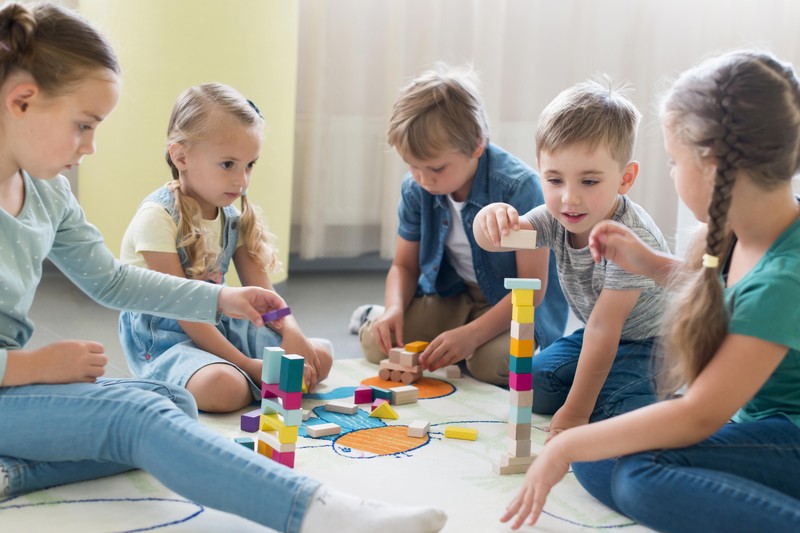
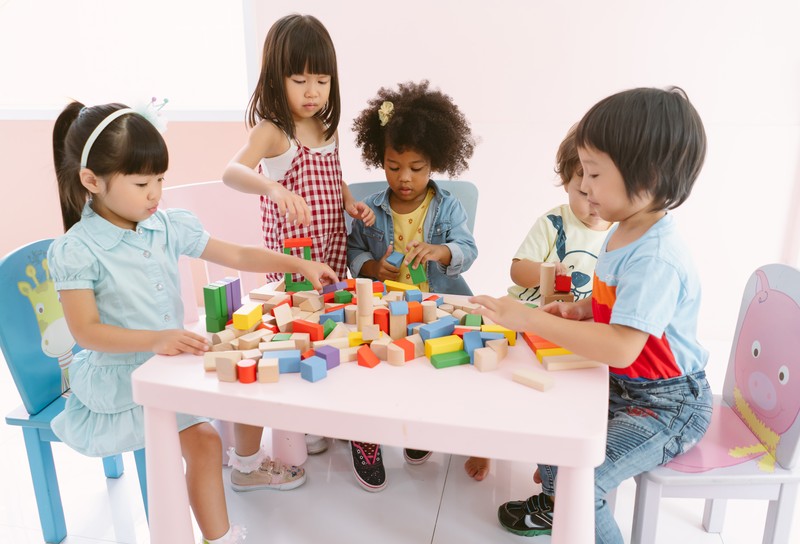
At age 3, children begin to show significant changes in their development. Preschoolers are more active, social, and curious about the world around them. At this stage, the physical and motor development is focused on improving basic coordination. Children begin to run, climb, and walk upstairs without support. Fine motor skills, like drawing circles or stacking blocks, also begin to emerge as children develop the ability to manipulate objects more precisely.
Socially, 3-year-olds start to engage in interactive play with peers. They begin to learn important skills like sharing, taking turns, and cooperating during group activities. They also start to explore their emotions, learning how to express themselves with words instead of just actions.
Language development is particularly evident at this stage. By age 3, many children start using 3- to 4-word sentences and can follow simple instructions. Preschool programs at this stage focus on vocabulary building and encouraging verbal communication through songs, stories, and conversations with teachers and peers.
Age 4: Expanding Cognitive and Social Skills
At age 4, children become more independent and confident. They continue to develop their gross motor skills, becoming able to skip, hop, and walk in a straight line. Their fine motor skills improve as well, allowing them to use safety scissors, draw more shapes, and even write their names. These skills are important as they prepare for writing and drawing tasks in kindergarten.
Social-emotional growth accelerates during this period. Four-year-olds start to understand good vs. bad behavior and show greater self-regulation in their interactions. They also begin to navigate more complex social situations, including resolving conflicts and understanding others’ emotions. At preschool, children are encouraged to practice empathy and cooperation through group activities and teacher-led discussions.
Language development is at the forefront for 4-year-olds. They typically begin using 5-word sentences and may start to use past tense in their conversations. They can also follow two- or three-step directions with greater ease. Early literacy skills such as letter recognition and phonological awareness are integrated into play-based learning.
Age 5: Preparing for Kindergarten
By age 5, children are nearing the end of their preschool years and are ready to take on more academic challenges. Gross motor skills are fully developed by now, with children able to perform activities like running, jumping, and skipping with ease. Fine motor skills are also refined, allowing them to use writing utensils with better control and start writing letters and simple words.
Social and emotional skills are well-developed by age 5. Children have a clearer understanding of their feelings and the feelings of others. They are more confident in their ability to navigate social situations, and they begin to build and maintain friendships.
In terms of cognitive development, 5-year-olds are more adept at problem-solving and can complete puzzles or matching activities with little assistance. They understand numbers and counting and are able to recognize basic shapes and colors. Early literacy skills are more advanced, with many children able to recognize letters, numbers, and even write their names independently. Preschool programs for 4 to 5-year-olds focus on early reading, basic math, and writing to get children ready for the demands of kindergarten.
Choose a Preschool Program that Supports Developmental Milestones
Preschools in Woodside, NY play a key role in helping children achieve these child development milestones. At ABC Preschool, we focus on creating a nurturing environment that supports each child’s individual growth. With a play-based curriculum and enriching facilities, we offer a well-rounded approach to development.
Schedule a tour today to learn more about how we can help your child succeed academically and socially!