Quick Summary
Starting preschool is a major transition for both toddlers and parents. Preparing children ahead of time through routines, social experiences, and positive conversations can help make the adjustment smoother. This guide covers simple ways to help your 2-year-old feel more comfortable, confident, and excited before their first preschool classroom experience.
For many families, a child’s first preschool classroom brings a mix of excitement, pride, and nervousness. One day your toddler is playing at home beside you, and the next you are getting ready for drop-offs, backpacks, and classroom routines.
That is why many parents spend time thinking about preparing toddler for preschool before the first day arrives. While preschool teachers are experienced in helping children adjust, small preparations at home can make the transition feel much less overwhelming for everyone involved.
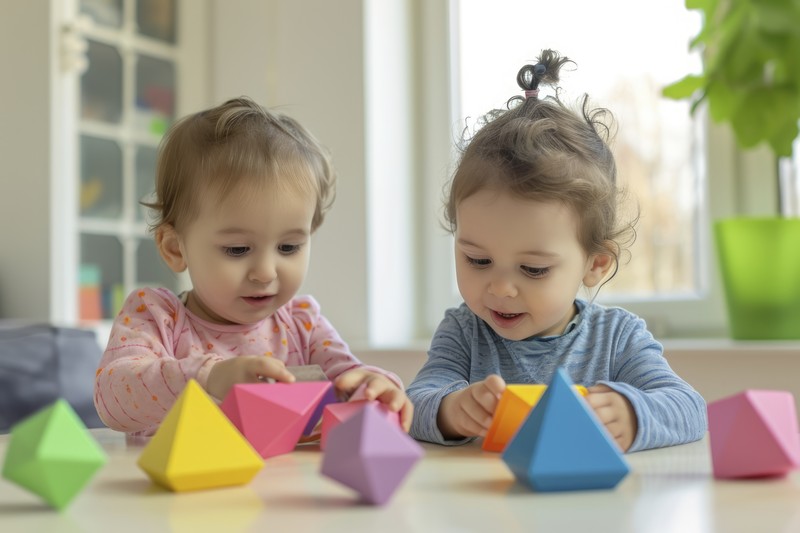
At two years old, children are still developing communication skills, independence, and emotional confidence. Entering a classroom with new adults, unfamiliar routines, and other children can feel like a very big change. The good news is that toddlers often adapt surprisingly well when they are introduced to preschool gradually and positively.
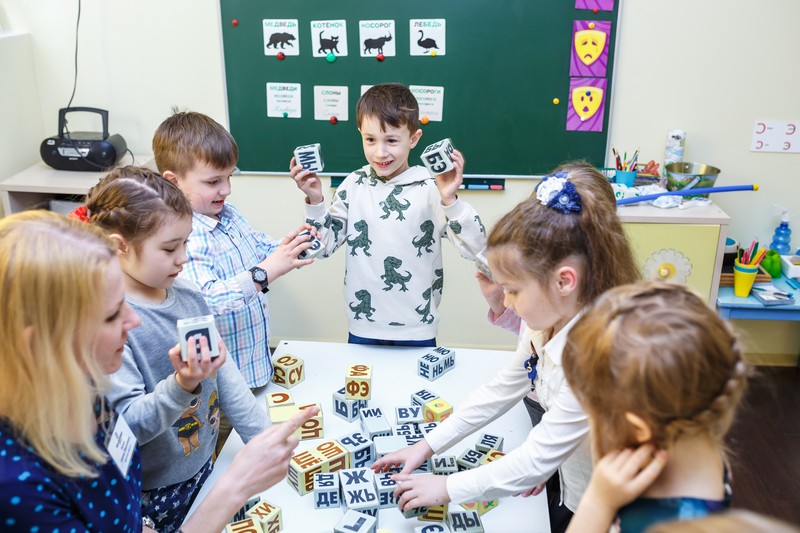
At ABC Preschool & Kindergarten Center’s toddler preschool program in Woodside, Queens, children ages 18 months to 3 years adjust to school through play-based activities, music, movement, and social interaction in a nurturing environment.
Start Talking About Preschool Early
One of the easiest ways to prepare toddlers for preschool is simply talking about it regularly before school begins.
Young children feel more comfortable with transitions when they know what to expect. Casual conversations about teachers, friends, toys, songs, and classroom activities can help preschool feel exciting rather than unfamiliar.
You do not need long explanations. Short, cheerful conversations often work best at this age.
For example, parents might say:
- “You’re going to play with new friends.”
- “Your teacher will read stories and sing songs.”
- “You’ll paint pictures and play with toys.”
Reading books about preschool can also help children picture what school life may look like. Many toddlers connect strongly with stories about first-day experiences.
The goal is to create familiarity little by little.
Practice Short Separations Before School Starts
For many toddlers, preschool is the first time spending several hours away from parents or caregivers. That transition can feel emotional for both children and adults.
Practicing short separations ahead of time can help toddlers build comfort gradually. Leaving children with trusted grandparents, relatives, babysitters, or family friends for short periods helps them learn that parents always return.
Children who experience small separations before preschool may feel less overwhelmed during classroom drop-offs.
Parents should also remember that separation anxiety is completely normal at this age. Some toddlers adjust quickly, while others need more time and reassurance.
Even children who cry during drop-off often settle down shortly afterward once they begin engaging with classroom activities.
Build Predictable Daily Routines
Toddlers thrive on consistency. Predictable routines help young children feel secure because they begin understanding what comes next throughout the day.
Before preschool begins, families can start practicing routines that resemble the school schedule. This may include:
- Consistent wake-up times
- Regular meal schedules
- Quiet time or naps
- Getting dressed in the morning
- Packing a backpack together
These small routines can make preschool mornings feel less rushed and unfamiliar once school officially begins.
Bedtime routines are especially important. Toddlers adjusting to preschool often become more tired during the first few weeks because of increased activity and stimulation throughout the day.
Encourage Small Moments of Independence
Preschool classrooms encourage children to begin doing simple tasks independently. Toddlers do not need to master everything before school starts, but practicing small skills at home can help build confidence.
At this age, children may begin learning how to:
- Wash hands with assistance
- Put toys away
- Carry their backpack
- Drink from cups independently
- Feed themselves during meals
Parents sometimes feel tempted to do everything quickly for toddlers, especially during busy days. Giving children small opportunities to try tasks on their own can help them feel more capable once preschool begins.
Confidence often grows through practice, even when tasks take a little longer at first.
Arrange Opportunities for Social Interaction
Preschool introduces toddlers to group settings filled with sharing, communication, and parallel play. Some children have frequent social interaction before preschool, while others spend most of their time at home with family.
Creating opportunities for social experiences before school can help toddlers feel more comfortable around other children.
This does not need to involve large organized activities. Simple experiences such as playground visits, library story times, or playdates can help children practice:
- Playing beside other children
- Taking turns
- Listening to adults outside the family
- Exploring unfamiliar environments
Toddlers are still learning social skills at this stage, so sharing and cooperation develop gradually over time.
Visit the Preschool Before the First Day
If possible, visiting the preschool before the first official day can help children feel more familiar with the environment.
Seeing the classroom, meeting teachers, and exploring the playground ahead of time may reduce anxiety once school begins.
The best preschools in Queens offer orientation days or short introductory visits specifically for this reason. Even brief exposure to the classroom environment can help toddlers begin recognizing familiar faces and spaces.
Parents can also point out exciting parts of the school during the visit, such as art areas, toys, books, or playground equipment.
Positive first impressions often help children feel more curious and excited about returning.
FAQs
How long does it take toddlers to adjust to preschool?
Every child adjusts differently. Some toddlers feel comfortable within days, while others may need several weeks before drop-offs become easier.
Is crying during preschool drop-off normal?
Yes. Many toddlers cry during the first days or weeks of preschool. Teachers are experienced in helping children transition into classroom routines.
Should toddlers be potty-trained before preschool?
This depends on the school’s policy. Some toddler programs assist with potty training, while others require children to be fully trained before enrollment.
Give Your Toddler a Warm and Playful First School Experience
At ABC Preschool & Kindergarten Center, our Toddlers Program is designed for children ages 18 months to 3 years who are beginning their early learning journey in a caring, supportive environment. Located in Woodside, Queens, our classrooms introduce toddlers to sensory play, music and movement, storytime, arts and crafts, and early social interaction through hands-on activities and guided play.
Children also enjoy active movement in our indoor gym and outdoor play spaces designed for safe exploration and fun. Families appreciate our low teacher-to-student ratios, experienced educators, extended care options, and welcoming atmosphere that helps toddlers feel comfortable during their first school experience.
Contact ABC Preschool & Kindergarten Center today to schedule a visit and learn more about our toddler program.