Quick Summary
Play-based learning helps young children develop communication, creativity, problem-solving, social skills, and confidence through hands-on experiences and guided exploration. Many Queens preschools use this approach because it encourages children to stay engaged while building important developmental skills naturally. This guide explains how play-based learning works, what it looks like in preschool classrooms, and why so many educators and families value it during the early childhood years.
To adults, play may look simple. A group of children building towers with blocks, pretending to run a grocery store, or splashing at a sensory table can seem like ordinary fun. In reality, these moments are packed with learning opportunities that shape how children think, communicate, solve problems, and interact with others.
That is one reason so many schools today embrace the play-based learning preschool approach. Across Queens, early childhood educators increasingly focus on learning experiences built around curiosity, movement, creativity, and exploration rather than long periods of formal instruction.
What Is Play-Based Learning?
Play-based learning is an educational approach where children develop skills through hands-on activities, imaginative play, guided exploration, and social interaction.
Instead of relying heavily on worksheets or extended lectures, teachers create environments where children actively participate in learning experiences. Through play, children naturally begin developing language, problem-solving abilities, communication skills, creativity, and early academic concepts.
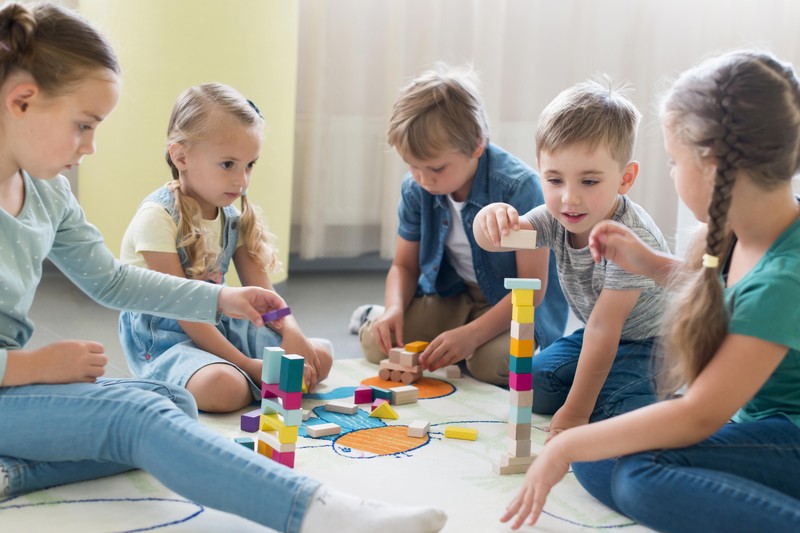
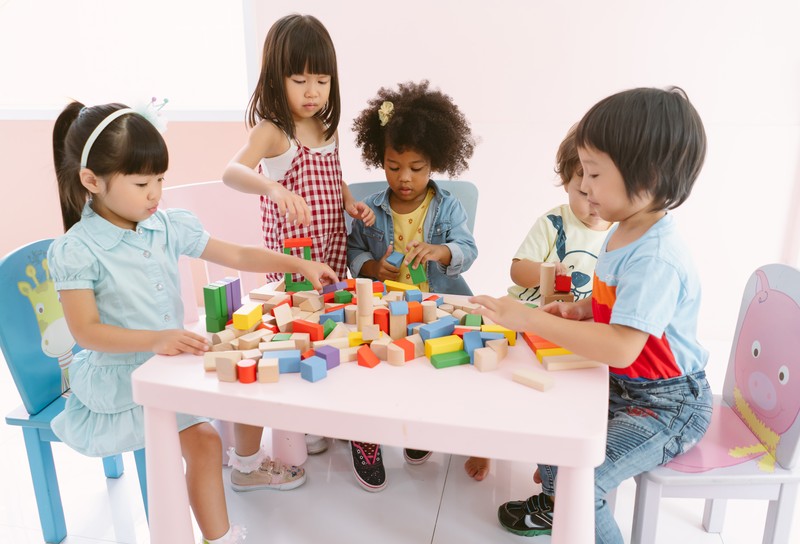
For example, a child building with blocks is not simply stacking shapes for entertainment. That activity may involve counting, balance, spatial awareness, cooperation, patience, and experimentation all at the same time.
Similarly, children pretending to run a restaurant may practice conversation skills, teamwork, sequencing, memory, and storytelling without even realizing they are learning.
In play-based classrooms, teachers still guide learning. The difference is that learning happens through active participation rather than passive instruction.
Why Play Matters So Much During Early Childhood
Young children are naturally curious. They learn by touching, moving, experimenting, asking questions, and observing the world around them.
Play allows children to engage fully with their environment in ways that feel enjoyable and meaningful. Because children are emotionally invested in these activities, they often stay more focused and absorb information more naturally.
Early childhood development also involves far more than memorizing letters or numbers. During the preschool years, children are learning how to:
- Communicate with others
- Manage emotions
- Build friendships
- Follow routines
- Solve problems
- Express creativity
Play creates opportunities to practice all of these skills in real time.
For example, when children work together to build something, they learn cooperation and communication. When they role-play social situations, they begin understanding empathy, perspective, and emotional expression.
These social and emotional experiences become building blocks for later academic success.
What Play-Based Learning Looks Like in Preschool Classrooms
Parents sometimes imagine play-based classrooms as completely unstructured environments where children simply run around freely all day. Strong play-based preschool programs in Queens are thoughtfully organized with learning goals built into classroom activities.
Teachers create spaces that encourage exploration while guiding children toward developmental milestones.
A play-based Queens preschool classroom may include:
- Dramatic play areas
- Sensory tables
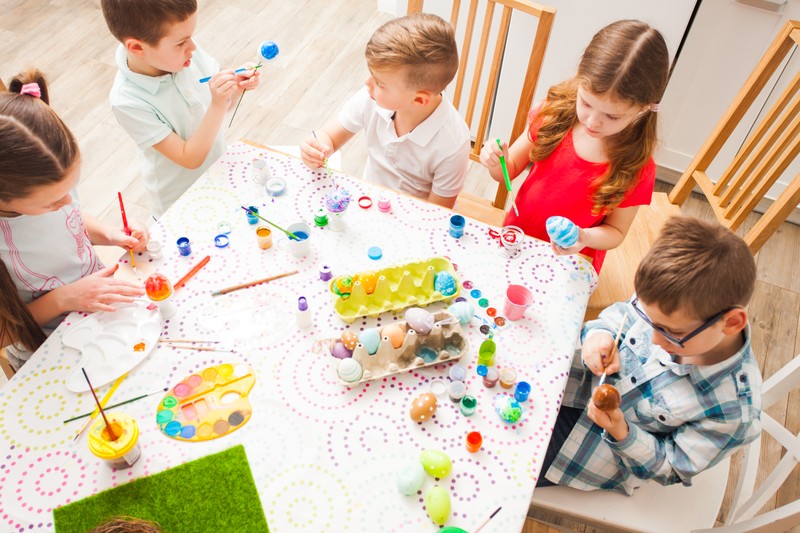
- Art stations
- Building and construction zones
- Reading corners
- Music and movement activities
- Outdoor exploration spaces
Each area supports different forms of development.
For example, sensory play with water, sand, or textured materials helps children strengthen fine motor skills while exploring cause and effect. Art activities encourage creativity, hand coordination, and self-expression. Story time builds vocabulary, listening skills, and imagination.
Even outdoor play becomes part of the learning process. Climbing structures, playground games, and movement activities help children develop balance, coordination, confidence, and social interaction.
Teachers Play an Active Role in Learning
One of the biggest misconceptions about play-based learning is that teachers simply supervise children while they play independently.
Skilled preschool teachers are constantly observing, guiding, encouraging, and expanding learning opportunities throughout the day.
Teachers may ask open-ended questions, introduce new materials, encourage group interaction, or help children work through conflicts and problem-solving situations.
For example, if children are pretending to run a bakery, a teacher might encourage them to count pretend cupcakes, write simple signs, discuss ingredients, or take turns serving customers.
This kind of guided interaction helps children build early academic and communication skills in ways that feel natural and engaging.
The classroom may appear playful on the surface, but there is often a great deal of intentional learning happening beneath the activity.
Play-Based Learning Supports Emotional Development
Preschool is one of the first environments where children begin developing independence outside the home. During this stage, emotional growth becomes just as important as academic learning.
Play allows children to express emotions, experiment with social situations, and process experiences in a safe setting.
Pretend play is especially valuable because it gives children opportunities to explore feelings and relationships. A child pretending to care for dolls, cook meals, or act as a teacher may be practicing empathy, communication, and emotional understanding.
Group play also teaches patience, compromise, sharing, and teamwork. These social experiences help children gradually build confidence in group settings.
Children who feel emotionally secure and socially connected often become more comfortable participating in classroom activities and trying new experiences.
Why Queens Preschools Favor This Approach
Queens is one of the most diverse communities in New York City, filled with families from many different cultural and educational backgrounds. Because children enter preschool with a wide range of personalities, experiences, and developmental stages, many schools favor flexible teaching approaches that can support different learning styles.
Play-based learning allows children to engage at their own pace while still building foundational skills.
The best Queens preschools also recognize that young children benefit from movement, creativity, and active participation rather than sitting for long periods in highly structured academic settings.
Parents today increasingly value schools that focus on the whole child rather than only academic performance. Social confidence, emotional resilience, communication, and curiosity all matter deeply during the preschool years.
Play-based classrooms naturally support these areas of development while still introducing literacy, math, science, and early problem-solving concepts.
Academic Learning Still Happens Through Play
Some parents worry that play-based programs may not prepare children academically for kindergarten. Many academic concepts are introduced very effectively through interactive learning experiences.
Children in play-based classrooms may practice:
- Letter recognition through storytelling and games
- Counting during building or sorting activities
- Early writing during art and pretend play
- Science concepts through sensory exploration
- Vocabulary development through conversation and music
Because these lessons feel interactive and enjoyable, children often stay more engaged than they would during repetitive drills or worksheets.
Young children generally learn best when they can physically interact with materials and participate actively in the learning process.
FAQs
Is play-based learning effective for kindergarten readiness?
Yes. Play-based learning helps children develop communication, problem-solving, social interaction, emotional regulation, and early academic skills that support kindergarten readiness.
Do children still learn academics in play-based preschools?
Absolutely. Literacy, math, science, and early writing skills are often introduced through games, storytelling, sensory activities, music, and hands-on exploration.
Is play-based learning good for shy children?
Many shy children thrive in play-based classrooms because the environment encourages gentle social interaction, creativity, and confidence-building through low-pressure activities.
Discover Play-Based Learning at ABC Preschool & Kindergarten Center
At ABC Preschool & Kindergarten Center in Woodside, Queens, play is woven into every part of the learning experience. Our toddlers, 3-K, and Pre-K programs combine hands-on exploration with music, movement, sensory activities, storytelling, dramatic play, and early literacy to help children grow socially, emotionally, and academically.
Children can climb, crawl, and build confidence in our colorful Tiny Tumblers Gym, perform and create on the 1,500 sq. ft. Little Dreamers Stage, and explore our 7,000 sq. ft. Magic Wonderland Playground designed as an outdoor learning space. Freshly prepared meals from our Little Gourmet Kitchen and caring, experienced teachers help create a warm environment where children feel excited to learn every day.
Schedule a tour today and see play-based learning in action at ABC Preschool & Kindergarten Center.