Quick Summary
Choosing between private and public preschool in Queens can feel overwhelming for parents exploring early education options for the first time. Both settings offer valuable learning experiences, but they differ in areas such as class size, schedules, flexibility, curriculum style, and enrollment. This guide breaks down the differences so families can better understand which preschool environment may fit their child and daily routine best.
For many parents in Queens, choosing a preschool is one of the first major educational decisions they make for their child. The process can feel exciting, emotional, and occasionally stressful, especially when comparing public programs with a private preschool Queens NY families may already be considering.
Both options offer meaningful early learning experiences, and there is no one-size-fits-all answer. Some children thrive in larger classroom settings with structured routines, while others do better in smaller environments with more individualized attention. Family schedules, learning preferences, location, and budget also play a major role in the decision.
Understanding Public Preschool Programs in Queens
Public preschool programs in Queens are commonly available through NYC’s 3-K and Pre-K for All systems. These programs are designed to provide early childhood education opportunities for children turning three or four during the calendar year.
One of the biggest reasons families choose public preschool is accessibility. Many programs are tuition-free, making them appealing for parents seeking quality early education without the added financial pressure of private tuition.
Public preschool classrooms often follow city-guided educational frameworks focused on school readiness, social development, communication skills, and early literacy. Children participate in structured routines that help prepare them for kindergarten and elementary school environments.
Many public preschool programs are located inside public schools, while others operate through community organizations partnered with the city.
For some families, the familiarity of the public school system creates a sense of comfort and continuity as children move into later grades.
Understanding Private Preschool Programs
Private preschools operate independently and often have more flexibility in how they structure their curriculum, schedules, and classroom environments.
Some private programs focus heavily on play-based learning, while others emphasize academics, arts, language immersion, or child-led exploration. This variety allows parents to search for a program that more closely matches their child’s personality and developmental style.
Private preschools may also offer features such as:
- Smaller class sizes
- Extended-day schedules
- Year-round programs
- Enrichment activities
- More flexible routines
For working families, scheduling flexibility can become a major advantage. Some private programs provide early drop-off, after-school care, and summer daycare in Queens that better align with full-time work schedules.
Private schools may also have access to specialized facilities such as indoor gyms, outdoor playgrounds, sensory rooms, or creative arts spaces designed specifically for early childhood learning.
Class Size and Individual Attention
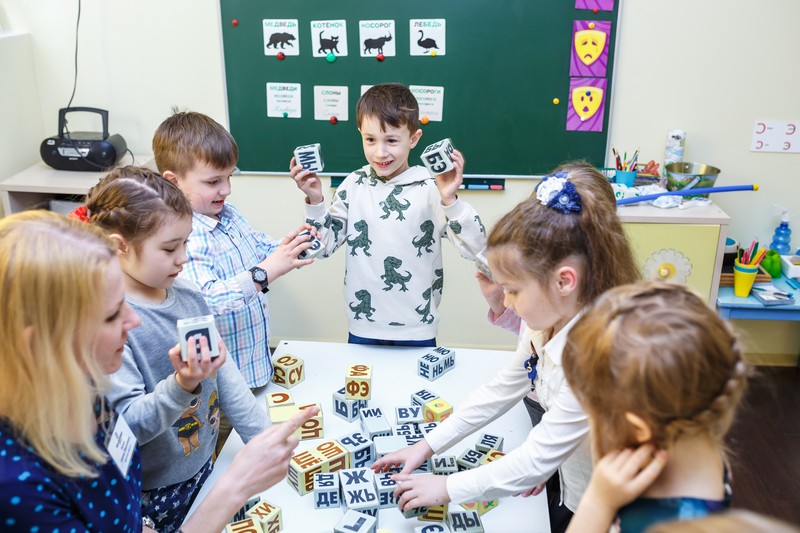
One of the biggest differences parents notice between public and private preschool settings is classroom size.
Public preschool programs in NYC can sometimes have larger classrooms depending on funding, staffing, and location. While many teachers manage these classrooms very effectively, larger groups may naturally limit the amount of one-on-one interaction children receive throughout the day.
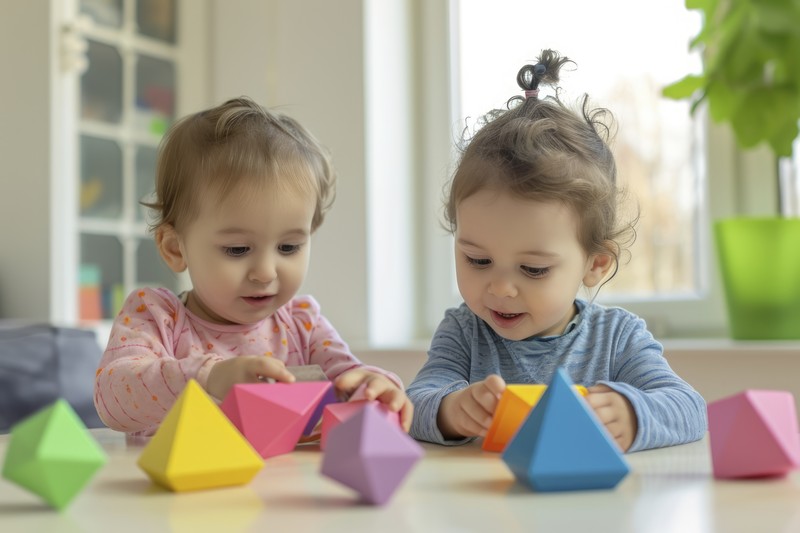
Private preschools often maintain smaller teacher-to-student ratios. This can create more opportunities for individualized attention, closer observation of developmental progress, and stronger daily communication with families.
Children who are shy, highly sensitive, or adjusting slowly to group settings may benefit from smaller classroom environments where teachers can spend more focused time helping them feel comfortable.
That said, some children thrive in larger social settings and quickly adapt to busy classroom energy. Personality can make a major difference in determining which environment feels most comfortable.
Curriculum and Learning Style Differences
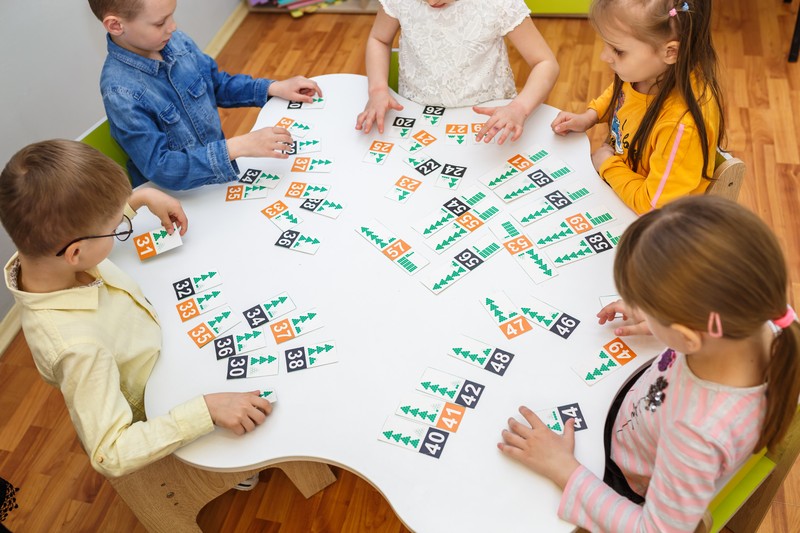
Not all preschool classrooms approach learning in the same way. Some focus on structured academics, while others place heavier emphasis on social interaction, creativity, and exploration.
Public preschool programs typically follow city-approved educational guidelines. These classrooms often include routines centered around literacy, numbers, communication, classroom behavior, and group participation.
Queens private preschools may have more flexibility in how they design their curriculum. Some programs prioritize imaginative play, sensory activities, music, movement, and outdoor exploration as central parts of the learning experience.
Parents touring schools should pay close attention to how classrooms feel during the day. A child who enjoys structure may respond well to organized routines and teacher-led activities. Another child may feel more engaged in classrooms built around discovery, movement, and creative expression.
Neither approach is automatically better than the other. The right fit often depends on how your child naturally learns and interacts with the world around them.
Scheduling Flexibility Matters for Many Families
For many Queens parents, preschool decisions involve more than educational philosophy. Work schedules, commuting time, and childcare needs also influence the final choice.
Public preschool programs often follow traditional school-day schedules with limited extended-hour availability. This works well for some families but may create challenges for parents with longer workdays or unpredictable schedules.
Private preschools frequently provide more scheduling options. Families may have access to half-day programs, full-day programs, early drop-off, late pick-up, and summer sessions.
These scheduling differences can strongly affect daily family routines. A preschool that aligns more comfortably with your schedule may reduce stress for both parents and children throughout the week.
Cost and Budget Considerations
Tuition is naturally one of the biggest factors families consider when comparing preschool options in Queens.
Public preschool programs through NYC are generally tuition-free, making them attractive for many households. For families balancing housing costs, childcare expenses, and other financial responsibilities in Queens, public preschool can provide meaningful support.
Private preschools require tuition, and costs can vary significantly depending on the program, location, schedule, and included services.
However, some parents feel the additional cost is worthwhile because of smaller classrooms, scheduling flexibility, specialized programs, or added amenities.
Choosing a preschool often involves balancing financial comfort with the type of environment you believe will best support your child’s development.
Social Development and Classroom Environment
Preschool is about much more than academics. These early years help children build communication skills, emotional awareness, friendships, independence, and confidence.
When comparing schools, parents should look closely at classroom culture and teacher interactions. Warmth, patience, and positive communication often shape the preschool experience more than any curriculum outline.
Some children enjoy highly active social environments filled with large group activities and constant interaction. Others feel more secure in quieter classrooms with calmer pacing and smaller groups.
Visiting schools in person can help parents better understand how children interact throughout the day. Observing how teachers respond to emotional moments, group activities, and transitions often provides valuable insight into the school’s overall atmosphere.
Parent Communication and Community
Strong communication between parents and teachers can make preschool feel far more comfortable, especially during the early transition period.
Public programs may have more formal communication systems tied to larger school structures. Private preschools sometimes offer more direct daily communication through apps, newsletters, conversations at pick-up, or classroom updates.
Many parents appreciate schools that create a strong sense of community through family events, holiday performances, workshops, and parent participation opportunities.
Feeling connected to the school environment often helps parents feel more confident and involved during their child’s early learning years.
Enrollment and Availability
Enrollment processes also differ between public and private preschool programs.
Public preschool programs typically follow NYC application timelines and placement systems. Families may not always receive placement at their first-choice location, depending on seat availability and demand.
Private preschools usually manage admissions independently. Some offer rolling enrollment, while others operate on strict deadlines.
Because popular preschool programs in Queens can fill quickly, families often begin researching schools many months before the school year begins. Touring schools early allows parents more time to compare environments and make thoughtful decisions.
FAQs
Is private preschool better than public preschool in Queens?
Not necessarily. Both private and public preschool programs can provide strong early learning experiences. The right fit depends on your child’s personality, your family’s schedule, and the type of classroom environment you prefer.
Are NYC public preschool programs free?
Yes. NYC 3-K and Pre-K for All programs are generally tuition-free for eligible children, though availability may vary by neighborhood and seat openings.
What should I look for when touring preschools?
Parents should observe teacher interaction, classroom atmosphere, safety procedures, communication style, daily routines, and how children appear to engage throughout the day.
Explore the Difference at ABC Preschool & Kindergarten Center
Choosing between public and private preschool becomes much easier when you can experience the environment in person. At ABC Preschool & Kindergarten Center in Woodside, Queens, families discover a warm, play-filled setting designed to support children socially, emotionally, physically, and academically.
Our toddlers, 3-K, and Pre-K programs combine early literacy, creative arts, movement, sensory learning, and hands-on exploration in bright classrooms equipped with child-sized bathrooms and filtered water fountains. Children also enjoy our colorful Tiny Tumblers Gym, 1,500 sq. ft. Little Dreamers Stage, and 7,000 sq. ft. Magic Wonderland Playground with a poured-in-place safety surface.
Fresh daily meals from our Little Gourmet Kitchen and attentive, experienced educators help create a caring environment where children feel excited to learn every day. Contact us today to schedule a tour and learn more about enrollment opportunities.