Preschool programs in Woodside, NY offer a unique and effective approach to early childhood education, incorporating play and learning in ways that foster a child’s cognitive, emotional, and social growth. With play-based learning, preschools in the area give children the opportunity to engage in fun activities that also lay the foundation for their future academic success.
In this blog post, we’ll explore how play-based preschool programs help children thrive and why this method is so effective.
The Power of Play in Early Childhood Development
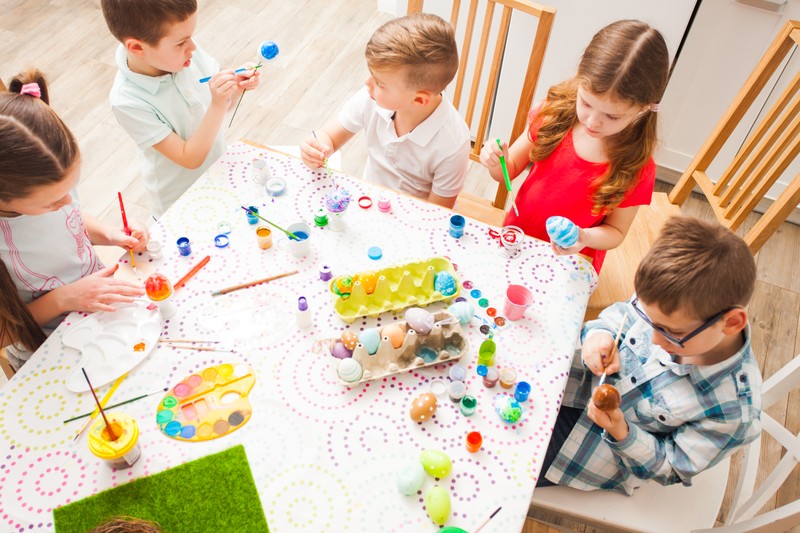
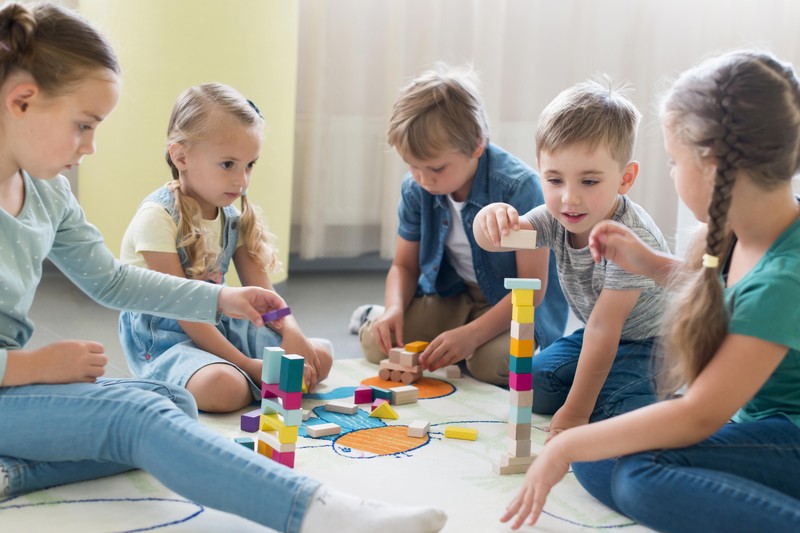
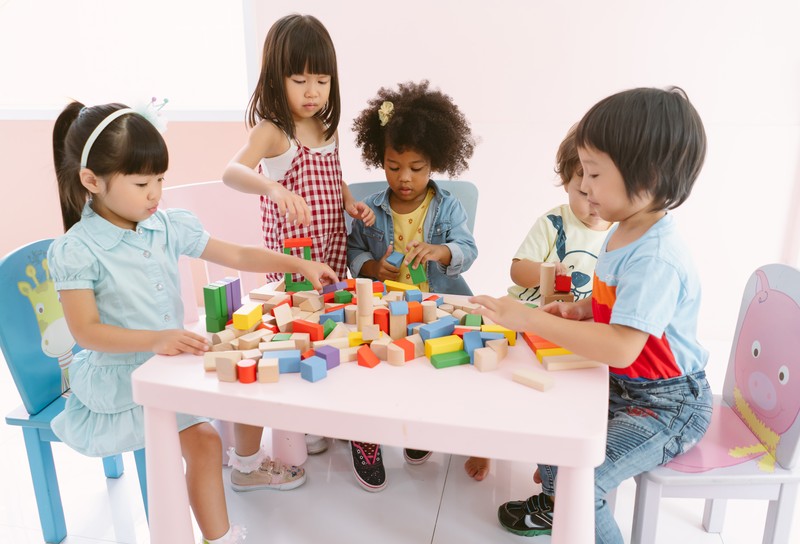
The early years are a time of tremendous growth for children, and play is a key element in their development. Instead of focusing solely on rote learning, preschool programs in Woodside, NY use play as a tool to build the cognitive, social, and emotional skills children need. Sensory activities such as building with blocks, playing pretend, and solving puzzles stimulate brain development, helping children establish a strong foundation for future learning.
Play is a natural way for children to explore their world. Through these activities, they develop problem-solving skills, increase their vocabulary, and learn how to interact with others.
Bridging the Gap Between Play and Learning
One of the unique aspects of preschool programs in Woodside, NY is the seamless transition between playtime and learning time. In traditional classrooms, learning often feels structured and rigid, but in preschool, children can engage with educational content in a way that feels like play. For example, children may practice early literacy skills through games that involve letters and sounds or learn basic math concepts by counting toys or sorting shapes.
Developing Social and Emotional Skills
Social and emotional learning (SEL) is a vital part of early childhood education, and preschool programs are the perfect setting for children to develop these skills. In a play-based environment, children learn how to interact with their peers, resolve conflicts, and express their emotions in healthy ways. When engaging in group activities, children practice cooperation, empathy, and problem-solving, all of which are essential for their future success in school and in life.
At preschool, children are encouraged to work together on projects, share materials, and communicate their needs. These interactions help children develop the emotional intelligence needed to navigate social situations and build strong relationships. Teachers guide these interactions, providing support and strategies for children to manage their emotions and resolve disagreements in a positive way.
The Lasting Benefits of Play-Based Learning
The benefits of play-based preschool programs extend beyond academic success. Children who engage in this kind of learning also tend to develop better emotional regulation, stronger relationships, and greater resilience. Play-based learning teaches children how to handle challenges, work through difficulties, and maintain a positive attitude even when things don’t go as planned.
In a nurturing preschool, children are in an environment where they feel safe to take risks, make mistakes, and learn from them. This approach helps them develop a growth mindset, where they understand that learning is a process and that they can succeed with effort and perseverance.
At ABC Preschool, we believe in the power of play-based learning to foster a child’s growth. Our qualified teachers and USA Gymnastics-approved gym are just a few of the features that make our preschool a unique and enriching environment for your child. We focus on helping children build the skills they need to succeed in school and life, all while having fun and developing a love for learning.
Ready to give your child the best start? Schedule a tour today and learn more about how our play-based curriculum can help your child thrive academically and socially.